

Pomeranian
Favourite of many royals throughout history
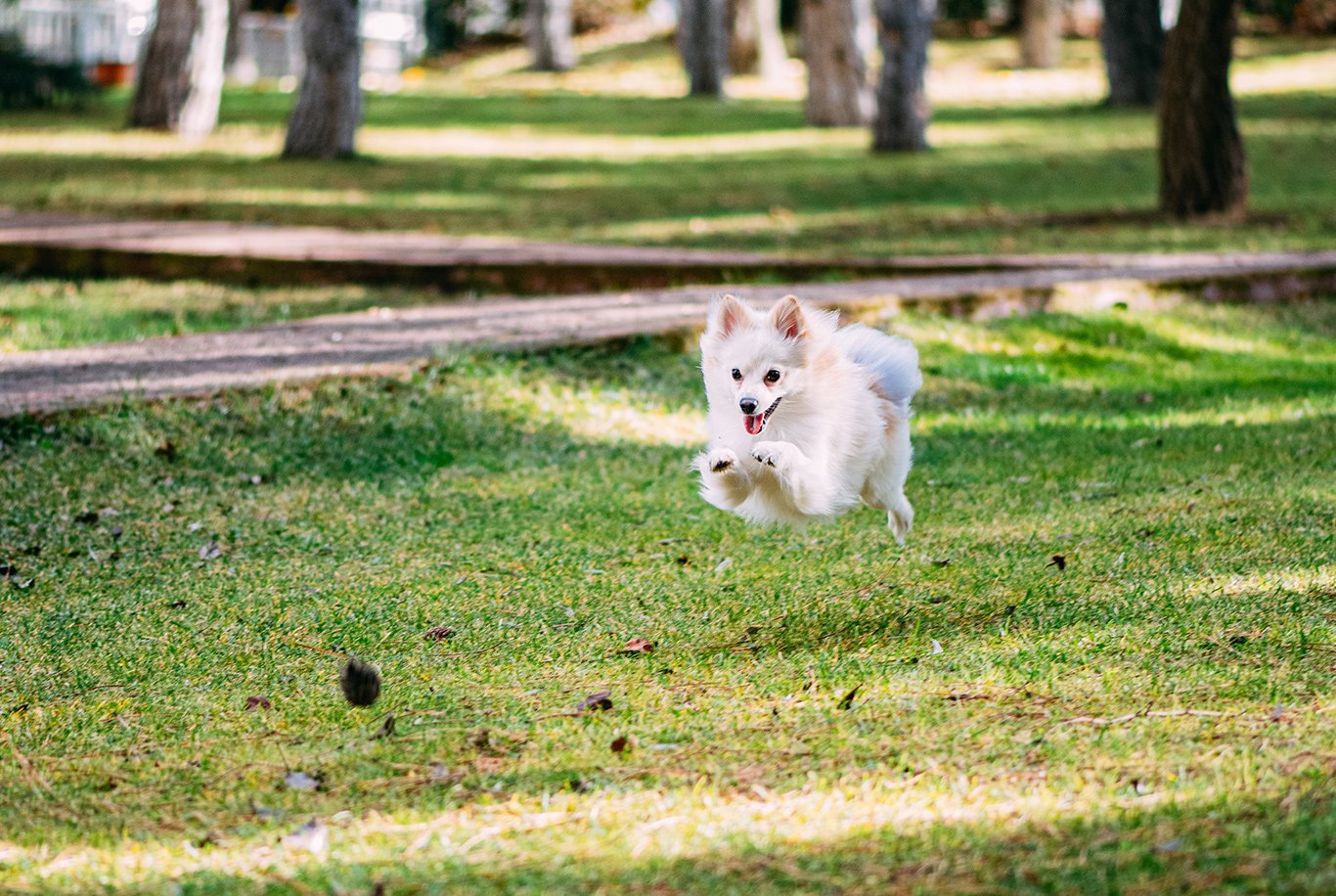
Pomeranian is a small size dog breed of the Spitz type, descended from the larger German Spitz. This breed has been popularised by many royal owners throughout history.
 Country of origin: Country of origin: |
Poland and Germany (Pomerania) |
 FCI group: FCI group: |
Group 5 Spitz and Primitive dogs, Section 4 European Spitz #97e |
 Temperament: Temperament: |
Friendly, Playful, Alert, Lively, Extroverted |
 Colors: Colors: |
White, Black, Orange, Cream |
 Weight: Weight: |
Female: 1.4 to 3.2 kg, Male: 1.4 to 3.2 kg |
 Height: Height: |
Female: 18 to 30 cm, Male: 18-30 cm |
 Life expectancy: Life expectancy: |
from 12 to 16 years |
Pomeranian puppies
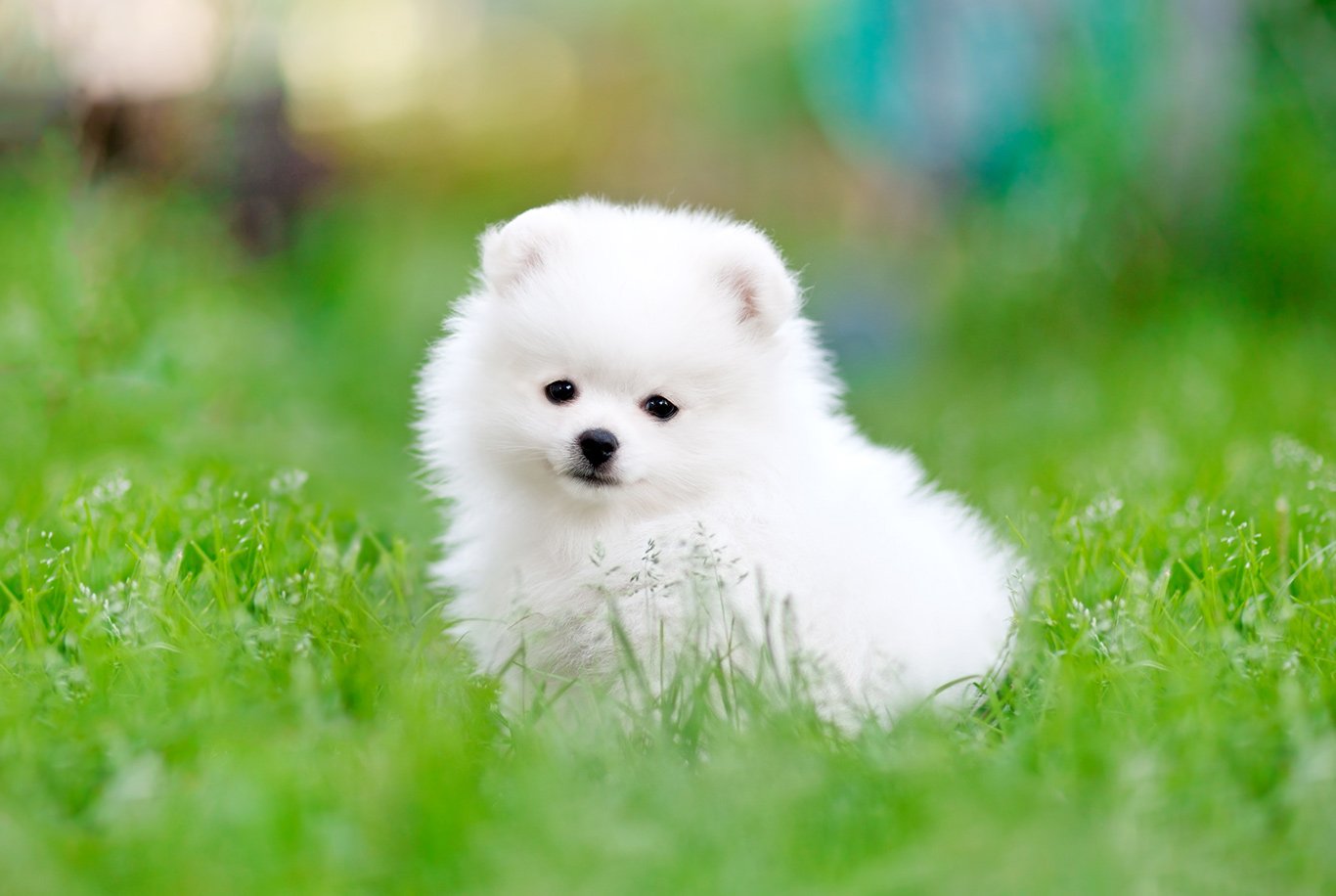
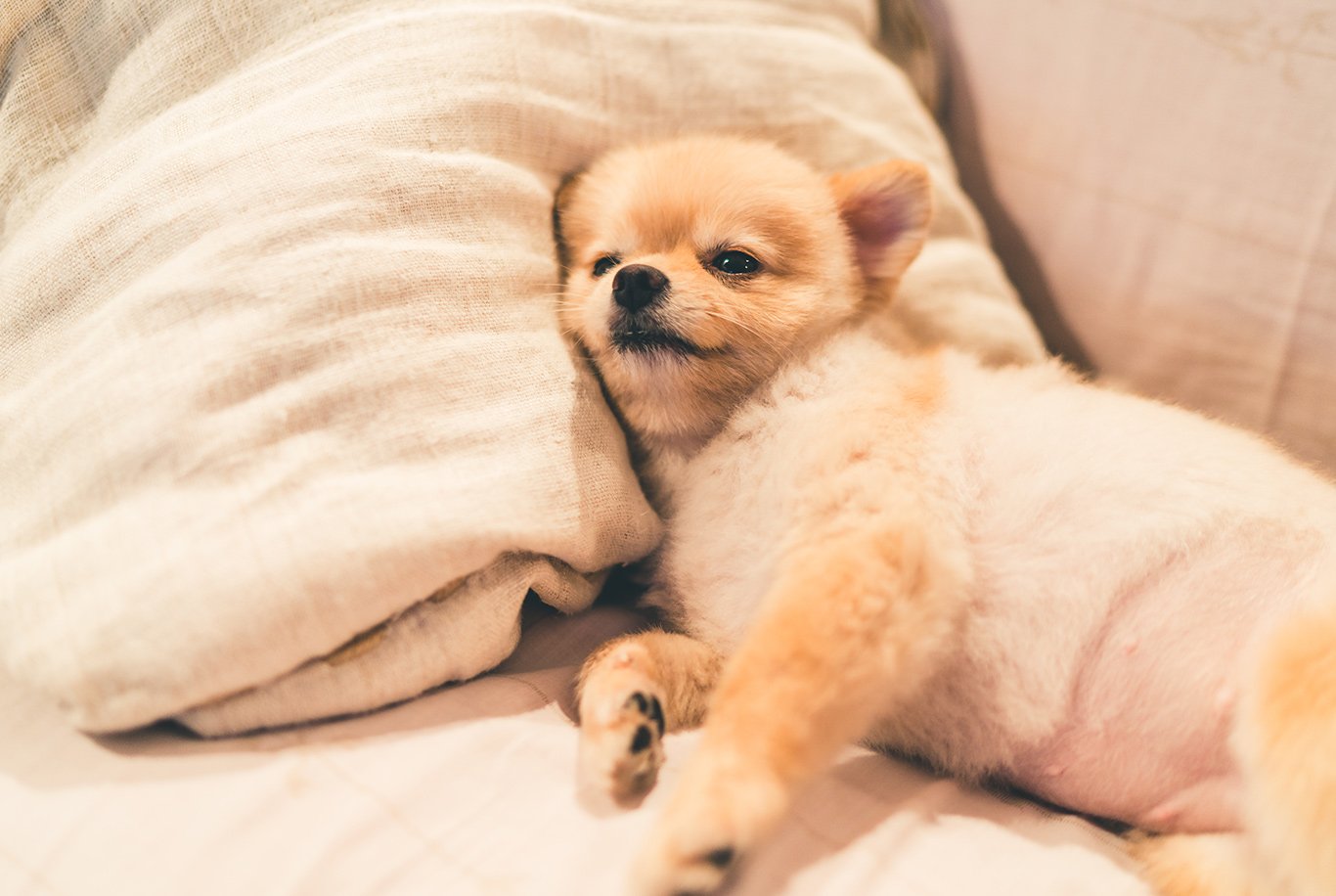
Although Pomeranians are generally a friendly dog breed, they can sometimes be aggressive with other dogs or humans. This alert dog breed is quite aware of the changes in the environment and will often bark at them. Pomeranians are also somewhat territorial and can bark at any outside noise. Those two behaviours can develop a habit of excessive barking, so it is advised to focus on them during puppy training. Pomeranians love to be in the centre of attention, and because of that should be well trained and properly socialised. Otherwise, they can become dominant and stubborn. Many Pomeranian owners don’t believe it is necessary to gain the respect of such a small dog, but Poms can become bossy with their owner when they don’t see you as the leader of the pack. As a small size breed Pomeranians have smaller bladders, so will urinate more frequently than other dogs. Potty training Pomeranian’s puppy will require some extra attention. Pomeranians are quite an energetic dog breed, so a higher fat and protein diet will ensure proper development and growth. Puppy Active Life from Husse range is recommended here.
Pomeranian’s nutrition
Pomeranians tend to be quite energetic and because of that they are likely to lose weight rather quickly, so feeding a diet high in fat and protein is recommended. Adult Active Life Small Breeds from Husse range should meet all the dietary needs of this breed. Older Pomeranians are vulnerable to tooth decay and subsequent tooth loss, so switching to wet food (especially Pate kind from Husse range) can be beneficial to this dog breed. Pomeranians can develop a variety of skin conditions, that is why a diet with a proper balance of omega-3 and omega-6 fatty acids or supplements containing those (like Husse Salmon Oil) can somewhat alleviate such issues.
Detailed description of Pomeranian
Pomeranian is a small size toy dog breed from the Spitz genetic family. This breed is believed to have one of the smallest average litter sizes, with not more than 3 puppies per litter.
Genesis
Today’s Pomeranian ancestors were larger working dogs of the Spitz type. Originally brought to England in 1767 by Queen Charlotte, the smaller variety was later popularised by Queen Victoria. Her particularly small Pomeranian weighing about 5.4 kg quickly created a demand for small Poms we know today. During Queen Victoria’s reign, the size of the Pomeranian breed was reported to have decreased by 50%. Among royal owners of Pomeranians in this time period were: Napoleon I of France and King George IV of England. Two Pomeranians were among the only three dogs that survived the sinking of RMS Titanic in 1912.
Appearance
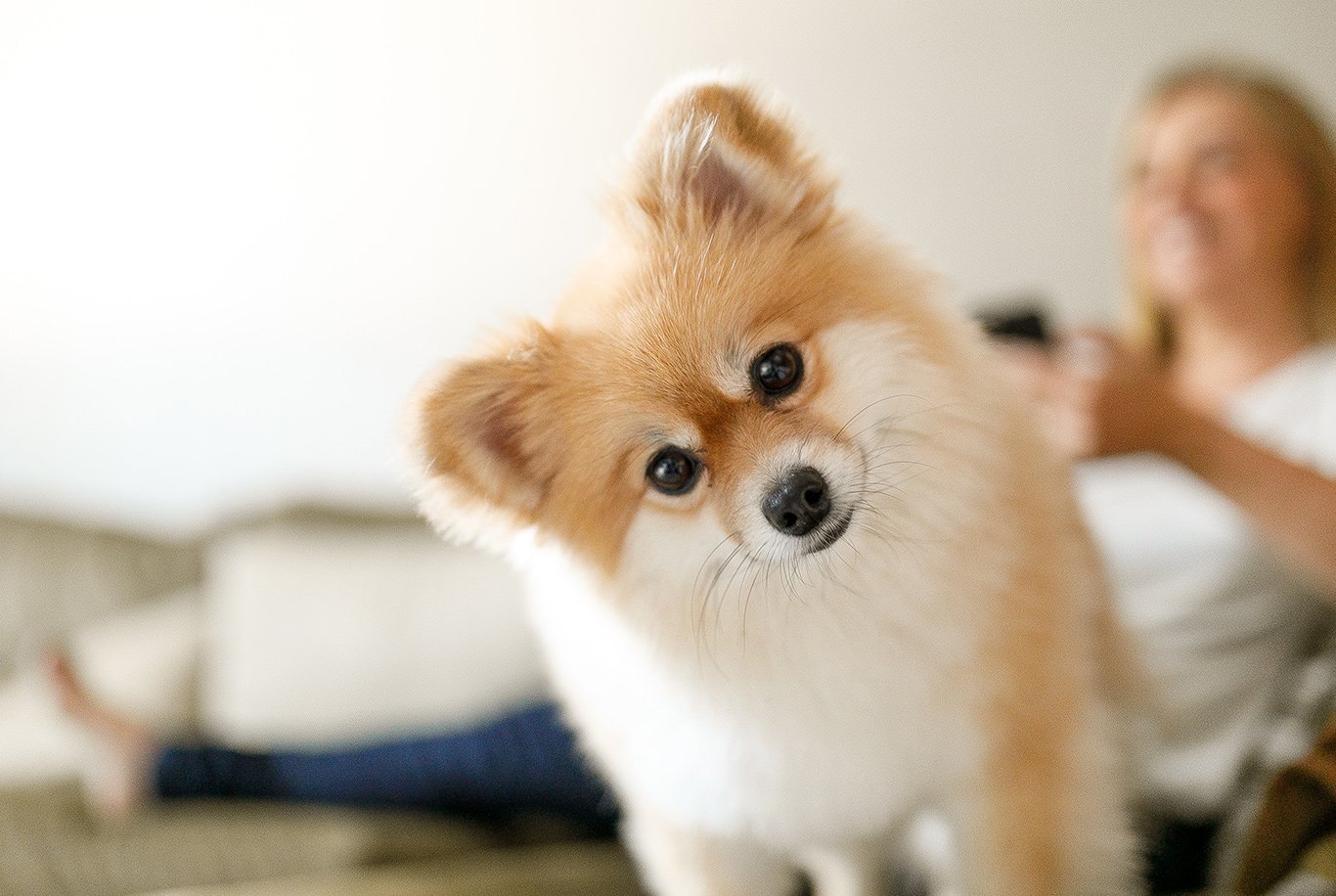
Pomeranians are small, compact and sturdy small size dogs with a fluffy and textured double coat. Their fur forms a characteristic ruff at the neck. Pomeranians height at the withers is typically around 20–36 cm. This breed has a tail that is fluffy and set high on the rump. They have what is known as a fox face, which is the official type that fits a breed standard. Pomeranians have small triangular ears that stand straight up. This breed can come in a vast variety of colours including white, black, brown, red, orange, cream, blue, sable and any combination of those colours.
Behaviour
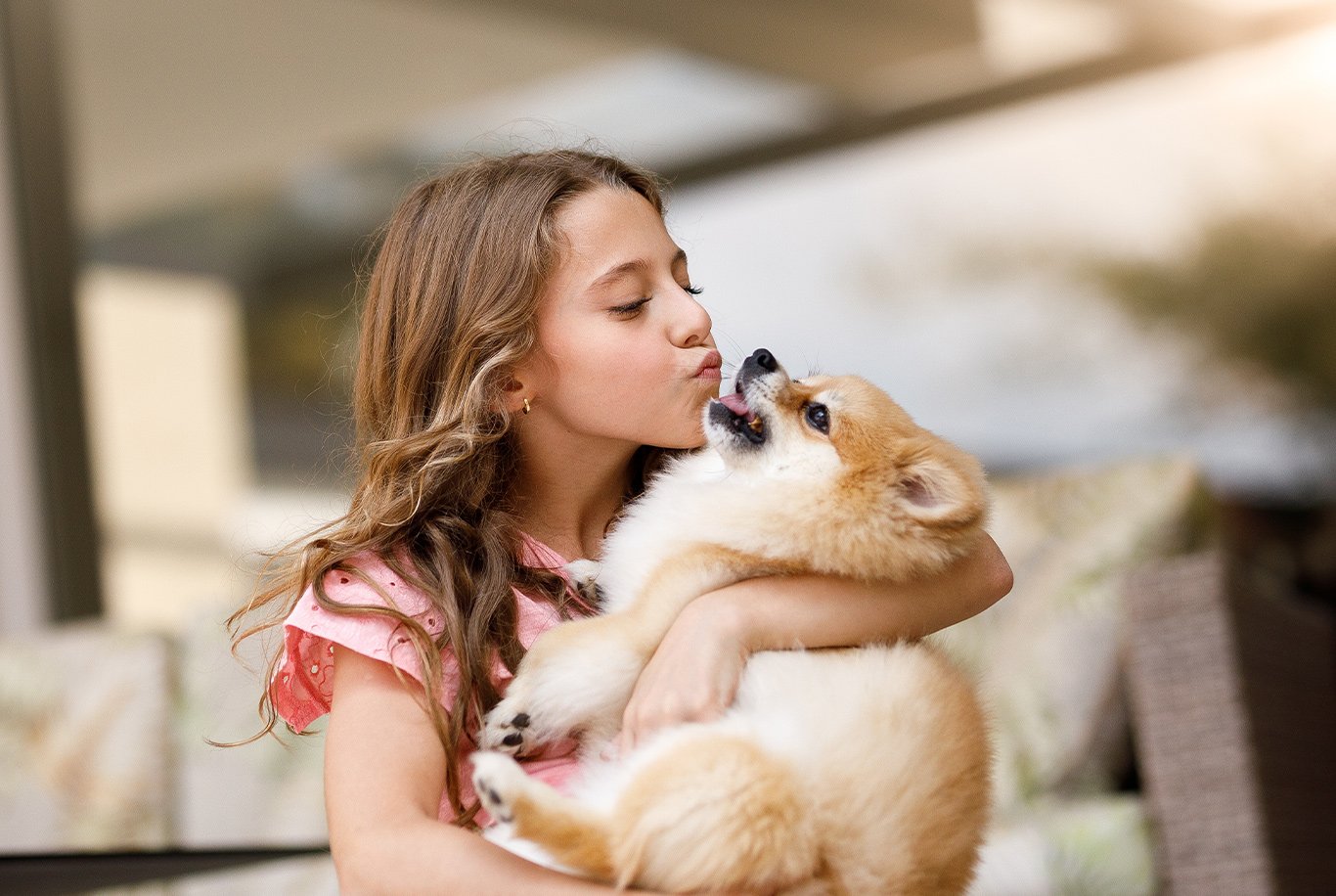
Pomeranians are friendly and lively dog breeds. They love all the attention they can get. This breed is prone to boredom and separation anxiety, which can lead to some undesirable behaviours if not trained well. You should provide your dog with enough stimuli in the form of toys whenever you are not around to play with him. Pomeranians can show some aggression towards other dogs and humans and they can be a bit territorial. They respond well to training though, and many of the breed’s shortcomings can be tamed with it.
Requirements
Pomeranians never should be left alone for too long, since they can suffer from separation anxiety. This dog breed is quite active, but does not require extensive exercise. A 20 to 30 minutes walk should be sufficient. With Pomeranian’s thick coat it is important to prevent overheating. During summer months try to stay out of the direct sunlight and make sure your dog drinks plenty of water before heading out for a walk.
Daily care
With their thick, double coat Pomeranians require daily grooming to maintain the coat in good shape. In addition, this breed's coat should be trimmed every 1 to 2 months. During shedding season coats can tangle easily, so brush with caution. Some detangling pet products can be of use here, e. g. Husse Pet Care Spray that makes grooming of tangled coats much easier. Pomeranians should have their eyes and teeth cleaned frequently as well as their ears checked every 6 weeks. Monthly baths are recommended for this breed. Always remember to brush Pomeranian before bathing.
 dr Anna Plummervet and blogger
 Vokiečių aviganis
 Maltos bišonas
 Auksaspalvis retriveris
 Biglis
 Rotveileris
 Vokiečių dogas
 Pudelis
 Sibiro haskis
 Prancūzų buldogas
 Mopsas
 Borderkolis
 Čihuahua
 Pomeranijos špicas
 Labradoro retriveris
 Anglų buldogas
 Čiau čiau
 Samojedas
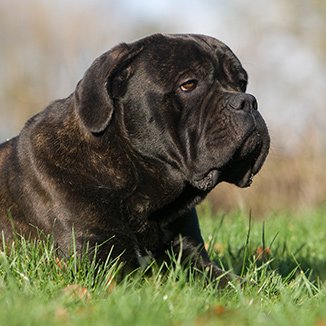 Cane corso
 Dobermanas
 Berno zenenhundas
 Kavalieriaus Karaliaus Karolio spanielis
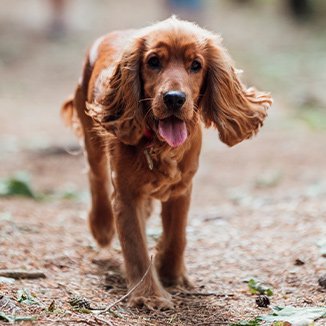 Cocker Spaniel
 Taksas
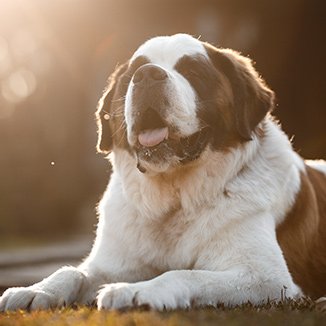 Senbernaras
 Meino meškėnas
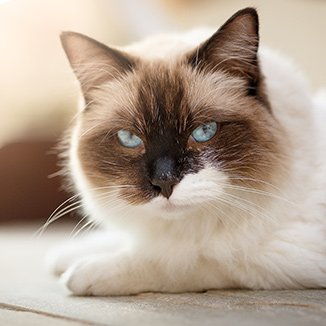 Ragdoll
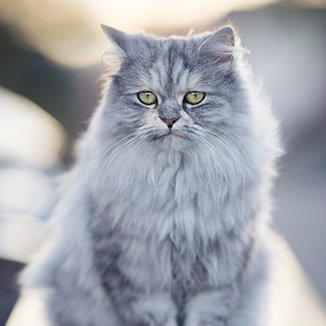 Persų katė
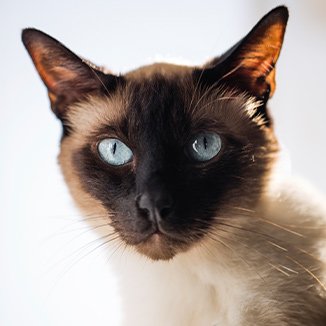 Siamo katė
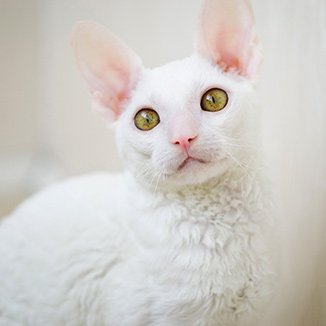 Kornvalio Reksas
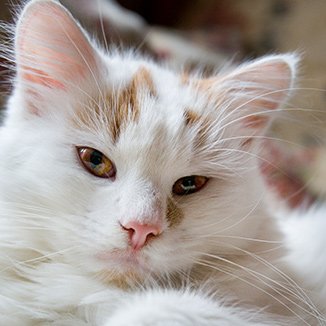 Turkų Van katė
 Devono Reksas
 Škotų nulėpausė
 Sibiro katė
 Selkrik Reksas
 Britų trumpaplaukė
 Bengalijos katė
1.jpg)